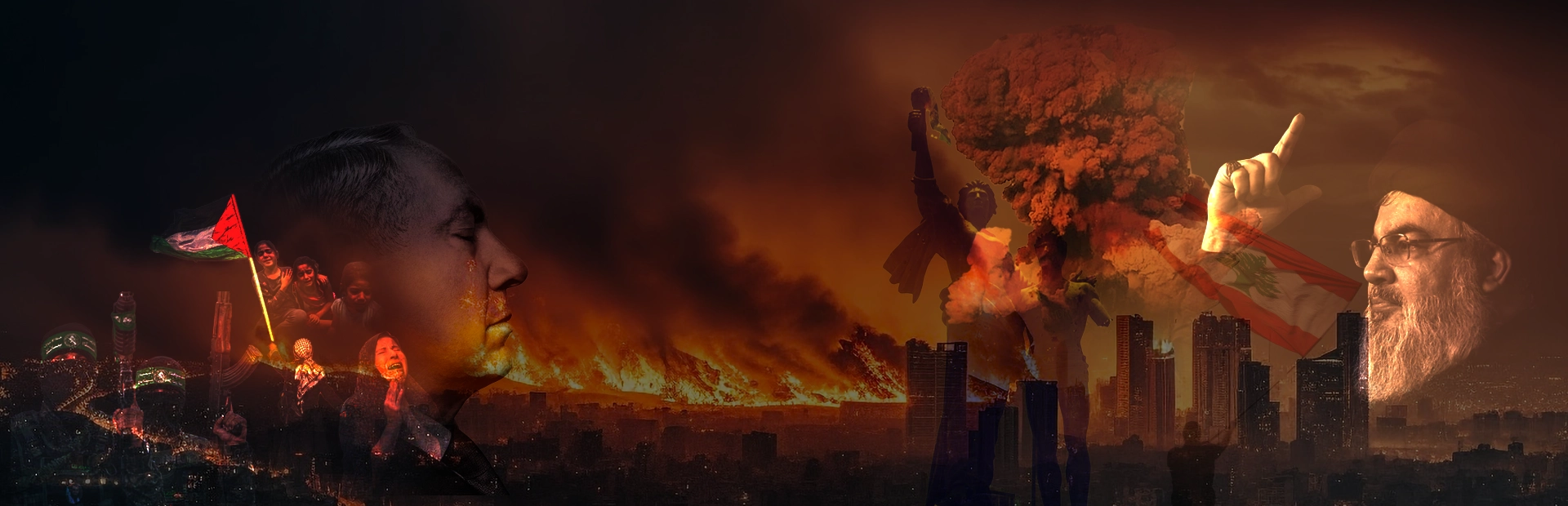

Who Pushed for War? Journalist Says Netanyahu Urged Trump to Strike Iran
July 9, 2026
Who wanted this war the most?
As the Middle East plunges deeper into conflict, a new debate is unfolding over who pushed the United States toward striking Iran.
In a discussion between journalist Mehdi Hasan and investigative reporter Jonathan Swan, Swan argues that while Israeli Prime Minister Benjamin Netanyahu strongly urged military action against Iran for years, the final decision belonged to Donald Trump.
“There’s too much of a theme of Netanyahu is the puppet master,” Swan says, arguing that Trump ultimately chose to authorize the strikes himself.
How much influence should a foreign leader have over decisions that could drag the United States into another Middle East war?
One leader may have pushed. Another signed the order.
And now, once again, ordinary civilians across the region are paying the price for decisions made in the halls of power.
When bombs start falling, it matters who argued for war. It matters even more who chose to launch it.
WAKE UP PEOPLE.
Source: @zeteo
#Iran #Trump #Netanyahu #MiddleEast #War
English Script:
Mehdi Hassan: Trump listens to Bibi. Netanyahu makes the case for a lot of people who’ve been arguing about the war since your, excerpt in The Times. Now, in the book that’s out. It’s kind of exhibit A, right? When you hear people on the left say we went to war for Israel. They’ll often point to yours and Maggie’s reporting. They’ll say, we know from the New York Times, that Benjamin Netanyahu came to the Situation Room and made the case to Trump. That’s why we went to war. Because Israel persuaded Trump. Do you believe that that was the top factor? Had Netanyahu not come, had he not happened? Would we have gone to war? Did your reporting show that there were other factors pushing Trump?
Jonathan Swan: So I think it’s a more nuanced situation than that. The thing that I think is very uncomfortable for the sort of anti interventionist right. The people who sort of, you know, Trump is the president of peace and he ran on no new wars. If you look at Trump’s record on Iran specifically, he’s obviously pretty comfortable with using military force. You know, in the first term, he killed Soleimani. And some of his advisers thought that was a rescue operation. He pulled America out of the Obama nuclear deal with Iran. And some of his advisers thought that was risky. During the interregnum period, 21 through 24. I think Trump’s feelings about Iran became even more personal. You know, he was briefed by the FBI that there were various plots to assassinate him and what have you. So he’s much more hawkish than his own team. There’s no question that Netanyahu made a very determined and aggressive campaign to bring Trump into the war. And, you know, if that didn’t happen, I can’t imagine that Trump just spontaneously would have done this operation. But I do think it’s a lot more nuanced. And I think…
Mehdi Hassan: It’s necessary but not sufficient.
Jonathan Swan: It really is. It really is. And there’s sort of I think there’s too much of a sort of theme of Netanyahu is the puppet master, because I just don’t think that’s true of what actually happened. I think Trump himself…
Mehdi Hassan: Trump had an instinct for it.
Jonathan Swan: He really did.
Mehdi Hassan: And Netanyahu came and exploited it. I think that’s right. That’s right.
Mehdi Hassan: Trump listens to Bibi. Netanyahu makes the case for a lot of people who’ve been arguing about the war since your, excerpt in The Times. Now, in the book that’s out. It’s kind of exhibit A, right? When you hear people on the left say we went to war for Israel. They’ll often point to yours and Maggie’s reporting. They’ll say, we know from the New York Times, that Benjamin Netanyahu came to the Situation Room and made the case to Trump. That’s why we went to war. Because Israel persuaded Trump. Do you believe that that was the top factor? Had Netanyahu not come, had he not happened? Would we have gone to war? Did your reporting show that there were other factors pushing Trump?
Jonathan Swan: So I think it’s a more nuanced situation than that. The thing that I think is very uncomfortable for the sort of anti interventionist right. The people who sort of, you know, Trump is the president of peace and he ran on no new wars. If you look at Trump’s record on Iran specifically, he’s obviously pretty comfortable with using military force. You know, in the first term, he killed Soleimani. And some of his advisers thought that was a rescue operation. He pulled America out of the Obama nuclear deal with Iran. And some of his advisers thought that was risky. During the interregnum period, 21 through 24. I think Trump’s feelings about Iran became even more personal. You know, he was briefed by the FBI that there were various plots to assassinate him and what have you. So he’s much more hawkish than his own team. There’s no question that Netanyahu made a very determined and aggressive campaign to bring Trump into the war. And, you know, if that didn’t happen, I can’t imagine that Trump just spontaneously would have done this operation. But I do think it’s a lot more nuanced. And I think…
Mehdi Hassan: It’s necessary but not sufficient.
Jonathan Swan: It really is. It really is. And there’s sort of I think there’s too much of a sort of theme of Netanyahu is the puppet master, because I just don’t think that’s true of what actually happened. I think Trump himself…
Mehdi Hassan: Trump had an instinct for it.
Jonathan Swan: He really did.
Mehdi Hassan: And Netanyahu came and exploited it. I think that’s right. That’s right.