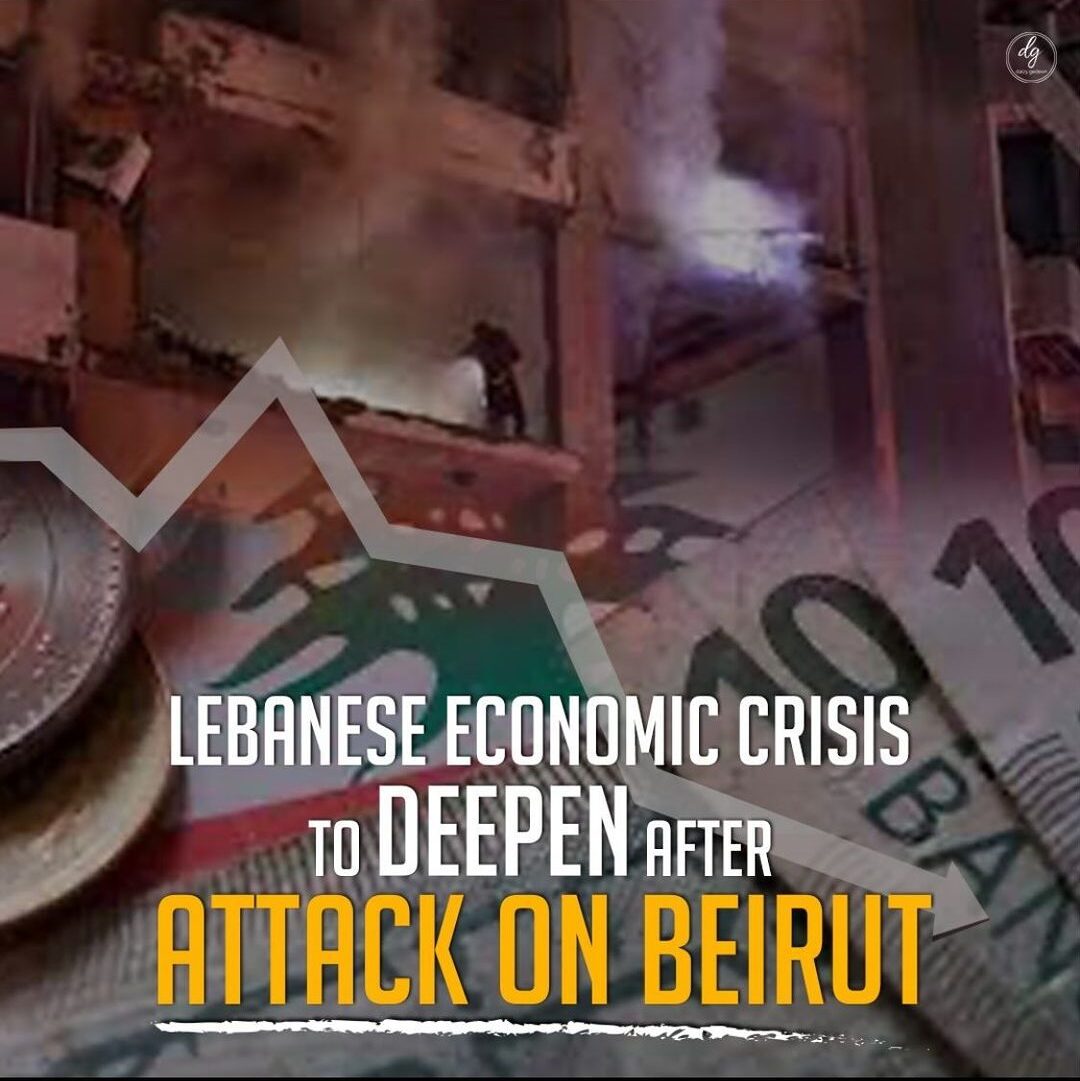
LEBANESE ECONOMIC CRISIS TO DEEPEN AFTER ATTACK ON BEIRUT
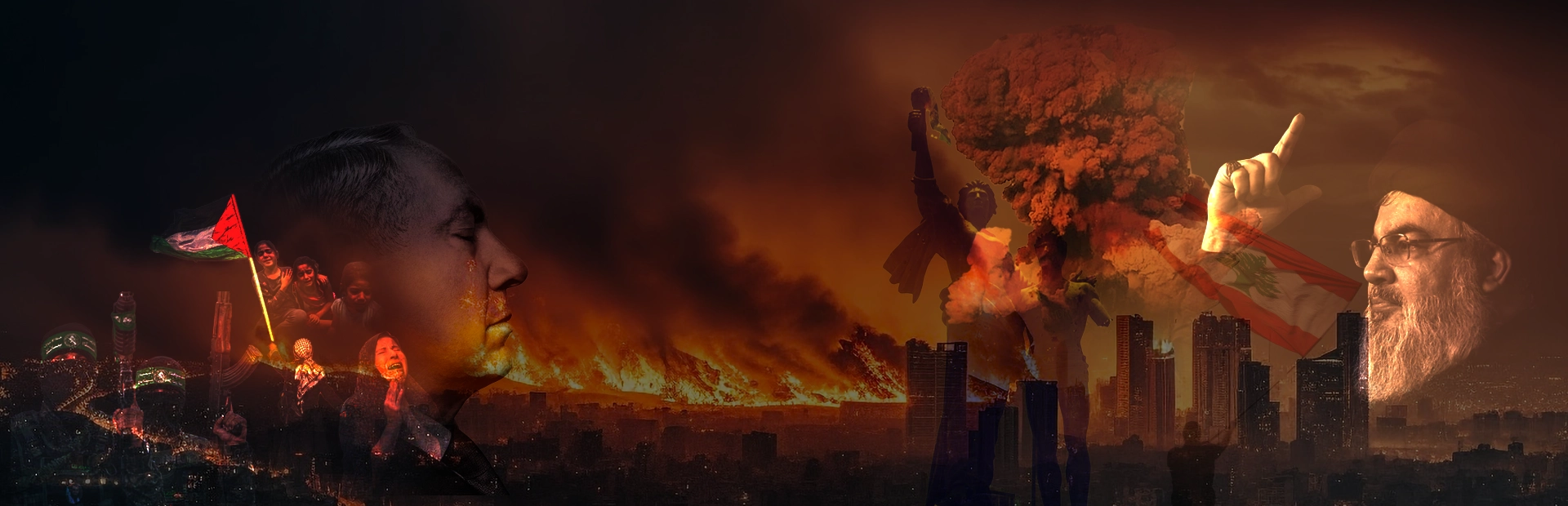
January 6, 2024Following the attack on Beirut and the assassination of Hamas leader, Salah Al-Arouri on Tuesday, Lebanon is bracing for war.
Hezbollah leader Hassan Nasrallah stated that Israel would “not go unpunished” as the Israeli attack breached prior containment lines but striking at the heart of the capital which hasn’t been done since 2006.
But for the Lebanese people uncertainty and fear has taken hold as the economic situation, already dire, prepares to reach a new low.
This report by @thisislebanonnews @Jennyrahme and her interview with economic expert Nicholas Chammas questions whether Lebanese should play it safe and stash their money away cautiously, or they should you throw caution to the wind and spend it boldly?
An important consideration not only for the local population but also the millions of Lebanese in the diaspora who have substantial investments in the country not to mention family and relatives living with the extended economic crisis that has now moved into its fifth year.
Credits: @thisislebanonnews
🔔 Don’t forget to hit the bell icon on our page for notifications so you don’t miss out on any call to actions!✊🏼🍉
If you advocate for TRUTH & JUSTICE, SHARE to spread the knowledge.
#ceasefirenow #FreePalestine #Interfaith #StandWithUs #Truth #Palestine #Gaza #Humanrights #Israel #فلسطين #اسرائیل #غزة”
English Script:
Jenny Rahma: For every security blow, there is an economic one. The effects of the recent attack on the southern suburbs affected the already flagging economy.
Nicholas Chammas: When Al-Aqsa Tofan started on October 7, it had a significant impact on economic activity. Depending on the sectors, revenues decreased by 50 and 70 percent until the last ten days of December. Why is that? Credit goes to the Lebanese expatriates who came in large numbers and slightly revived the economic situation. Unfortunately, we did not catch our breath until the attack took place in the middle of the suburb, meaning practically in Beirut. This isn’t a good thing at all because it led to an economic downturn again. Only a qualitative change, such as electing a president, can help us compensate for this negative situation.
Jenny Rahma: In 2023, Lebanon is on the path to economic recovery. On the monetary level, the size of the monetary base has decreased from about 80 thousand billion pounds to around 50 thousand billion. As for the Central Bank, it started money market operations and purchased about 57 million dollars six months ago to date. Lebanon also witnessed an excellent summer season, while a large number of institutions moved to paying salaries in dollars. The success of this policy has been demonstrated by its relative stability over the past period, despite the obstacles. How long can Lebanon hold up?
When the attack took place recently in the suburb, a lot of people said: “it happens to be sale season now, what do we do? Do we spend money and supply things, or do we save our money because we may need it for more important things?” People are afraid today, of course.
Nicholas Chammas: I want to tell you something. In economics, there is Keynes’s theory. He was perhaps the greatest economist in history. He says that if a person, let us say, saves money when they feel there is a crisis, they are rational people. But if all people did that, we would be heading toward suicide. Do you understand? Because one person’s expense is another person’s income. If one person stops spending, another person’s income stops. And so on. Therefore, I say that we must keep the minimum economic cycle moving, and not take decisions “on the surface” because they will cost us dearly.
Jenny Rahma: Economic efforts collide with security and political disruptions. Will 2024 be the year of prosperity or collapse?