How the US and Iran Broke the Ceasefire MOU and Triggered Collapse
July 16, 2026
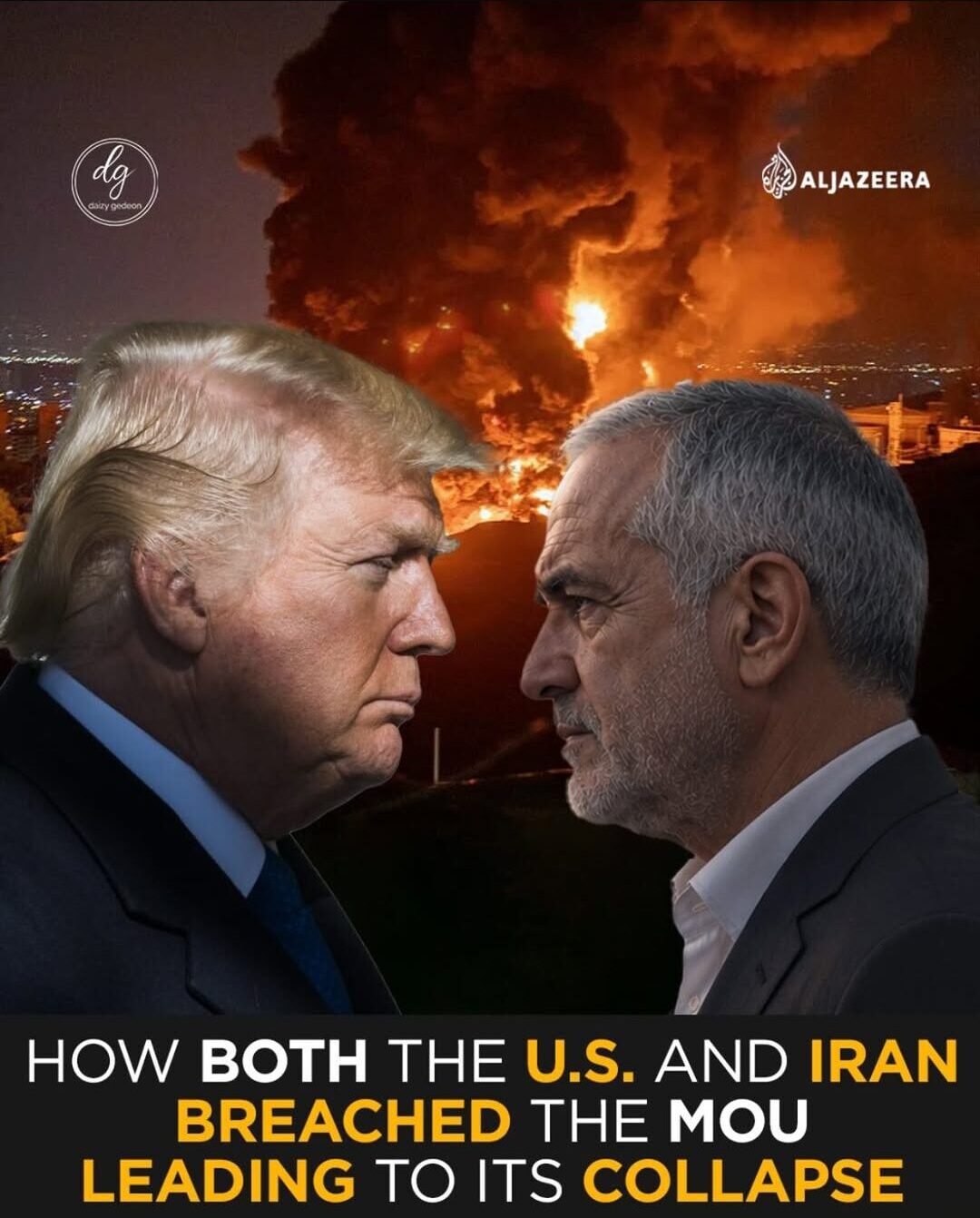
How did a peace deal between the US and Iran collapse in less than a week?
We went from a fragile ceasefire to midnight US airstrikes and retaliatory missiles lighting up the Gulf. The June 17 Memorandum of Understanding (MOU) was supposed to end the war. Instead, it became a masterclass in diplomatic loopholes and broken promises.
How did both sides trigger the collapse?
The Strait of Hormuz Standoff: Under the MOU, Iran agreed to keep the Strait open toll-free for 60 days. But Tehran accused commercial ships of bypassing their designated routes to follow US-Oman-coordinated lanes. Iran opened fire on those uncoordinated ships; the US responded by bombing nearly 200 sites along the Iranian coast, including Bandar Abbas, Bushehr, and Qeshm.
The Oil & Asset Trap: The US promised waivers to let Iran export crude oil. But by July 7, Washington ripped up the waivers, citing Iran’s actions in the Strait. On top of that, US Vice President JD Vance declared the US might keep control of frozen Iranian assets even after releasing them, a move Tehran called bad faith.
The Broader War: Article 1 of the MOU called for a complete cessation of hostilities on all fronts. Iran argues the US completely failed to stop continuous Israeli strikes on Lebanon, breaching the core of the deal.
Was this deal ever meant to succeed, or was it just designed to buy time? Let’s discuss in the comments.
Source: @aljazeeraenglish marahrayan
#IranUS #StraitOfHormuz #MiddleEastConflict #fyp #MOUCollapse
English Script:
How did the U.S. Iran ceasefire unravel so quickly? In barely a week, we’ve gone from a fragile peace to nightly U.S. attacks and retaliatory strikes across the Gulf. The Strait of Hormuz is once again atop the global agenda. The question is not just how we got here, but was it inevitable? The memorandum of understanding that was meant to end the war said Iran would reopen the strait toll free for 60 days and would provide safe passage for commercial vessels, while the U.S. would end its naval blockade. But the dispute over the waterway came down to sovereignty for Iran and control for the US. Tehran has accused ships of ignoring its designated routes and instead following alternative passages coordinated by the US and Oman, which it considered a breach of the agreement. Iran fired on vessels attempting to cross without coordination, and the US has bombarded sites along Iran’s southern coast in response. The U.S. Central Command says it struck around 200 targets in a matter of days, and Bandar Abbas, Bushher, Qeshm, Kish piece and several other sites. Iran retaliated with missile and drone strikes across the region, including Qatar, Bahrain, Kuwait and even Jordan, saying it was targeting U.S. military sites. Most of the attacks have been intercepted, with little damage reported. The MoU also had Washington issue waivers allowing Iran to export crude oil alongside the banking, insurance and transportation needed to support those sales. For Iran, this was huge, especially after years of sanctions. But on July 7th, the US revoked the license, citing Iran’s actions in the Strait of Hormuz. Iran accused Washington of breaching the MoU. Another sticking point is Iran’s frozen assets, which were expected to be released during negotiations. U.S. Vice President J.D. Vance said the US may still retain control of the assets after their release, claimed Iran rejects. And arguably the most central point, article one of the MoU was meant to end fighting on all fronts, but Iran says Israel’s continued attacks on Lebanon are a violation which the U.S. has failed to prevent. This latest escalation reveals how both sides are exploiting vague phrasing in the MoU to keep projecting strength, as Iran buried Supreme Leader Ali Khamenei. Mourners demanded revenge against Trump for the US Israeli strikes that killed him on the first day of the war. It’s hard not to feel like we’re heading right back to the beginning again.


